Home · Services · Soot Removal
Soot Removal in Englewood, CO
Quick answer
The Englewood read on soot Removal runs through the local stock first: mid century ranch homes in the established central sections, split level homes along the creek corridors, apartment and condo stock near the transit stops, and newer homes toward the southern reservoir side. With cold dry winters, hot summers, and hail and wind storm seasons on the high plains edge, the order of work is set before price, and the written scope names that order.
The Englewood read on soot Removal: mid century ranch homes in the established central sections, split level homes along the creek corridors, apartment and condo stock near the transit stops, and newer homes toward the southern reservoir side. Little Dry Creek and the area's cold dry winters, hot summers, and hail and wind storm seasons on the high plains edge decide what gets scoped first, and that order is written into the scope before anyone commits to a price.
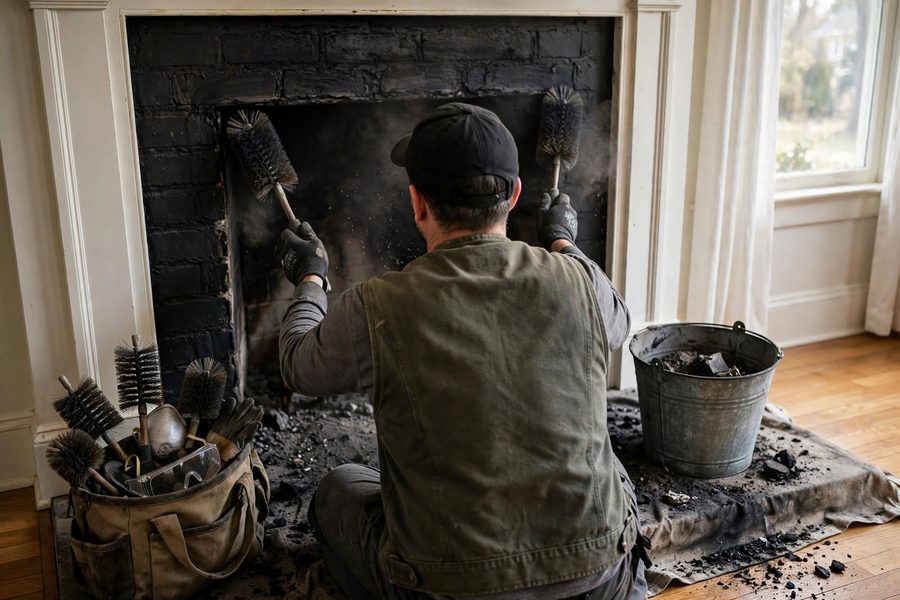
How we approach this job
Diagnosis and insurance documentation: For soot removal in Englewood, the buying situation is a problem with a cause: find the real source, document it with photographs and readings for any claim, and only then price the fix.
Signs you need soot removal
- Soot is visible inside cabinets, closets, and on blinds. It usually means smoke traveled the pressure paths of the whole house; the scope is the whole house, cleaned in the right order.
- Black web like strands (soot tags) hang in corners and doorways. It usually means the fuel decides the soot's chemistry and the cleaning method.
- Soot smears when touched and will not vacuum up cleanly. It usually means the wrong first wipe can set synthetic soot permanently.
- Chrome, faucets, and appliances show early tarnish or pitting. It usually means test patches on each finish protect the surfaces that matter.
What the job involves
What affects the price
- How heavy the soot load is and how many rooms it covers
- Surface types involved: painted drywall, tile, real wood, and stone all clean differently
- Whether soot reached the HVAC system and ducts
- How long soot has sat, since etching and staining are time dependent
- Contents volume: blinds, shades, and fabrics hold soot deep
When it is an emergency
Soot is the clock in a fire loss. Within 24 to 48 hours its acidity starts permanent damage to metals, grout, and finishes, and within days it can yellow plastics and set stains that cleaning cannot reverse. Do not vacuum it with a household machine and do not wet wipe it; both spread it.
PLACEHOLDERSoot Removal across the Englewood area
Related services
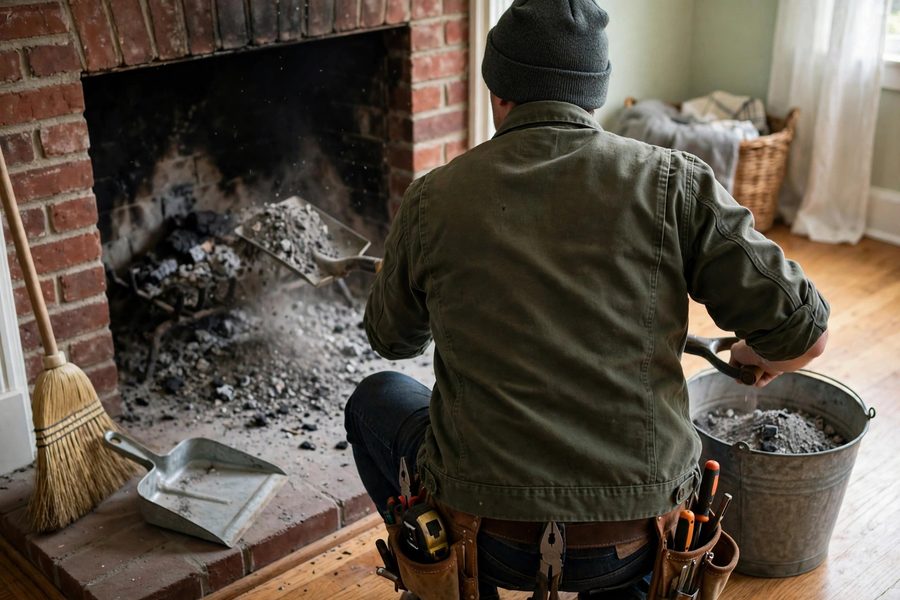
Fire Damage Restoration
In Englewood, the fire Damage Restoration scope follows the evidence: winter heating plant fires, shared hall smoke travel, and attached garage fires drive the call pattern, and the stock it serves is mid century ranch stock, creek corridor split levels, and transit side apartments. Diagnosis first, then a written scope, then work: that order does not change by neighborhood.
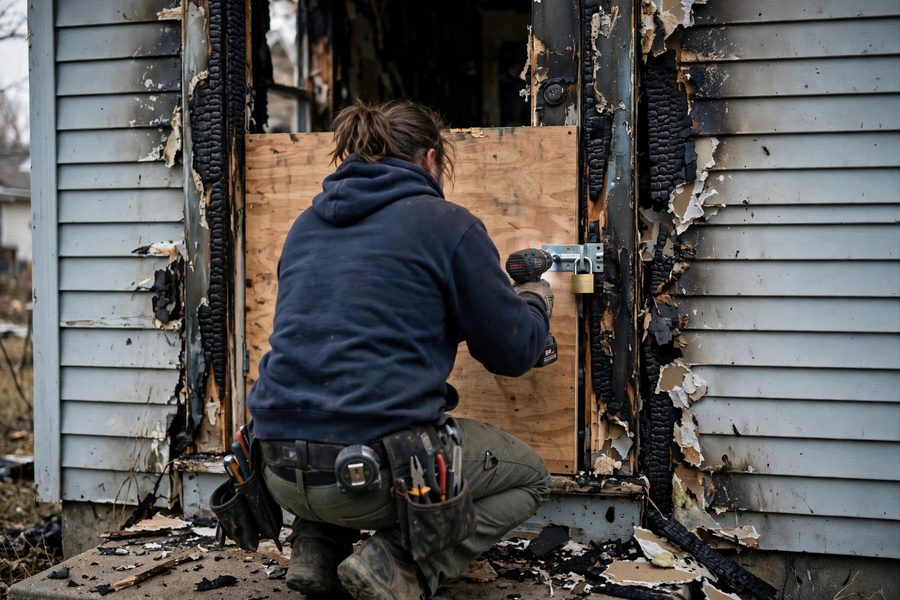
Emergency Board Up and Tarping
In Englewood, emergency Board Up and Tarping is scoped from the documented read, not a phone guess: winter furnace runs in the mid century stock end in flue and plant fires, kitchen fires in the corridor apartments send smoke through shared halls, and garage fires in the split level sections carry soot into the living levels above. Around Creek Corridor Sections, the written scope names the order of work for mid century ranch stock, creek corridor split levels, and transit side apartments before anyone commits to a price.
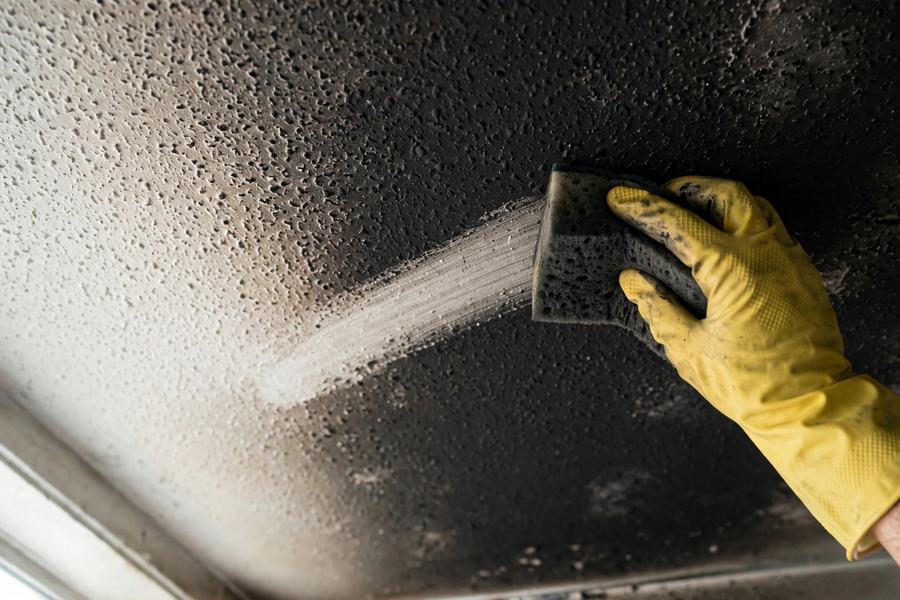
Smoke Damage Cleanup
Smoke Damage Cleanup in Englewood starts where the record points: homes here are mid century ranch stock, creek corridor split levels, and transit side apartments, and winter heating plant fires, shared hall smoke travel, and attached garage fires drive the call pattern. The scope for the Southern and Transit Sections side of the service area is written from that read, in that order.
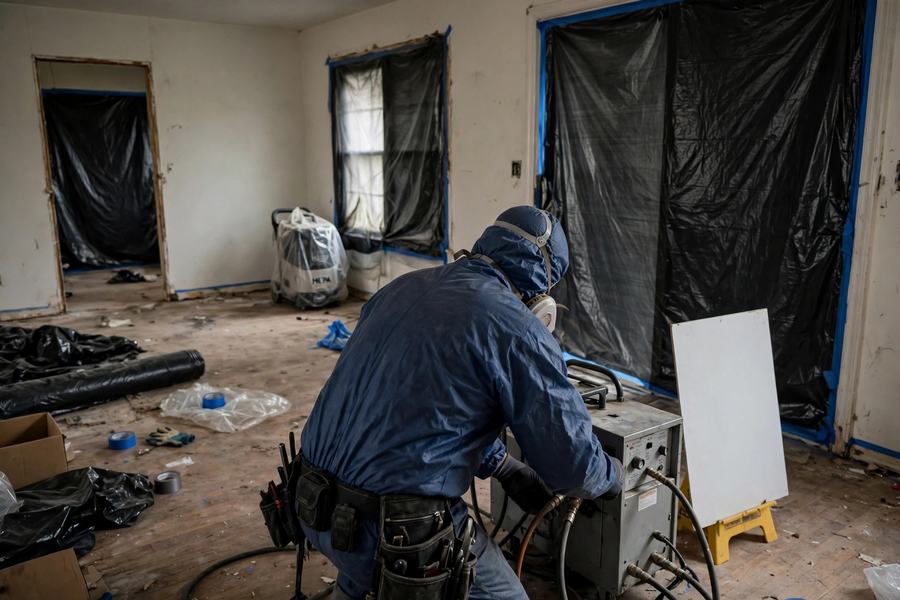
Smoke Odor Removal
For Creek Corridor Sections homes, smoke Odor Removal is priced from the pattern this city keeps repeating: winter furnace runs in the mid century stock end in flue and plant fires, kitchen fires in the corridor apartments send smoke through shared halls, and garage fires in the split level sections carry soot into the living levels above. Little Dry Creek sets the conditions, and the scope names them in writing before work starts.
Soot Removal questions, answered
When is soot removal an emergency?
Soot is the clock in a fire loss. Within 24 to 48 hours its acidity starts permanent damage to metals, grout, and finishes, and within days it can yellow plastics and set stains that cleaning cannot reverse. Do not vacuum it with a household machine and do not wet wipe it; both spread it.
What affects the price of soot removal in Englewood?
The main price factors for soot removal are covered in the cost section above. The contractor confirms the exact price in a written estimate after seeing the job, and nothing is owed until you approve it. The call and the referral are free.
Why is there a water scope inside my fire estimate?
Because the water that put the fire out is still in the house. It sits in wall assemblies and under floors from the first hour, and in a Colorado summer the mold clock on wet assemblies is short. Extraction and metered drying run alongside the fire scope from day one, and the meter log becomes part of the claim file. A fire scope without the water scope is half a scope.
Does homeowners insurance cover fire damage restoration in Englewood?
Fire is a named peril in standard homeowners policies, so fire damage is generally covered, including smoke damage to rooms the flames never reached and the water damage from putting the fire out. The disputes are almost never about whether fire is covered; they are about scope and price. Keep the contractor's itemized written scope, the moisture and cleanup documentation, and photos, because those are what an adjuster reviews. Your deductible applies, and loss of use coverage, if you carry it, can pay for temporary housing while the home is uninhabitable.
How much does fire damage restoration cost?
Published national figures from Angi (2026) put most homeowners' fire restoration between about $3,100 and about $52,000, with an average near $27,500 and cleanup priced around $4 to $7 per square foot. A minor kitchen smoke cleanup can start under $1,000, while a structural fire runs far past the top of that range. What decides your number is how many rooms burned versus smoked, whether structure is damaged, and how much firefighting water has to come out. Anyone quoting a firm total by phone is guessing; the honest sequence is an in person assessment and a written scope.
Request a callback
Prefer to talk later? Leave your details and an independent local pro will call you back. No charge to you, no obligation.
Little Dry Creek Fire Restoration is a free referral service. Submitting this form connects you with independent local contractors who provide the work.