Home · Services · Fire Damage Restoration
Fire Damage Restoration in Englewood, CO
Quick answer
In Englewood, the fire Damage Restoration scope follows the evidence: winter heating plant fires, shared hall smoke travel, and attached garage fires drive the call pattern, and the stock it serves is mid century ranch stock, creek corridor split levels, and transit side apartments. Diagnosis first, then a written scope, then work: that order does not change by neighborhood.
The Englewood read on fire Damage Restoration: mid century ranch homes in the established central sections, split level homes along the creek corridors, apartment and condo stock near the transit stops, and newer homes toward the southern reservoir side. Little Dry Creek and the area's cold dry winters, hot summers, and hail and wind storm seasons on the high plains edge decide what gets scoped first, and that order is written into the scope before anyone commits to a price.
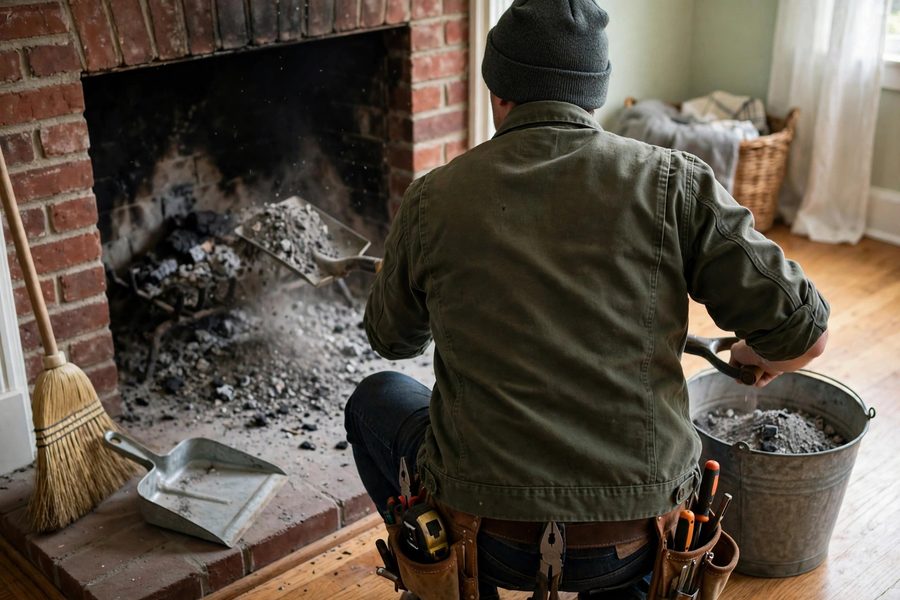
How we approach this job
Diagnosis and insurance documentation: For fire damage restoration in Englewood, the buying situation is a problem with a cause: find the real source, document it with photographs and readings for any claim, and only then price the fix.
Signs you need fire damage restoration
- The fire department has cleared the home and left. It usually means burned structure, smoke-only rooms, and firefighting water are three scopes in one event.
- Charred rooms, belongings, or structural material are present. It usually means sequence matters: security, water, cleaning, rebuild, in that order.
- Smoke and soot reached rooms the flames never touched. It usually means the itemized scope is the document the claim runs on.
- Firefighting water is standing in rooms or soaked into floors. It usually means the water is a second loss running on its own clock inside floors; extraction runs parallel to the fire scope, not after it.
What the job involves
What affects the price
- How many rooms burned versus how many carry smoke and soot
- Whether structure (framing, roof, floor systems) is damaged
- Volume of firefighting water that has to be removed and dried
- Amount of contents that can be cleaned versus replaced
- How long the home will be uninhabitable, which drives temporary housing
When it is an emergency
The night of the fire, the only jobs are safety, clearance, and securing the home. If windows or doors are gone, board up cannot wait for morning: an open house takes rain damage and invites entry. Call once the fire department has released the property.
PLACEHOLDERFire Damage Restoration across the Englewood area
Related services
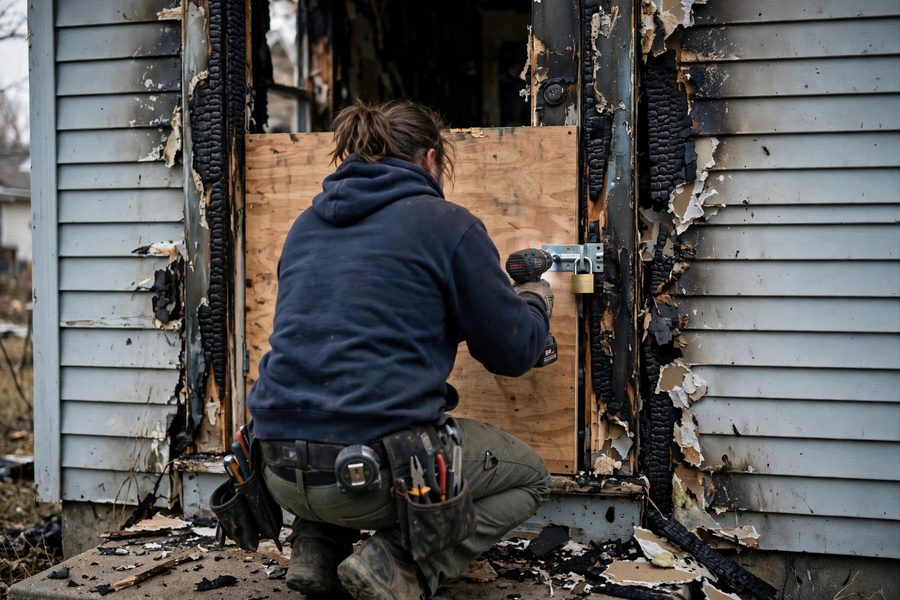
Emergency Board Up and Tarping
In Englewood, emergency Board Up and Tarping is scoped from the documented read, not a phone guess: winter furnace runs in the mid century stock end in flue and plant fires, kitchen fires in the corridor apartments send smoke through shared halls, and garage fires in the split level sections carry soot into the living levels above. Around Creek Corridor Sections, the written scope names the order of work for mid century ranch stock, creek corridor split levels, and transit side apartments before anyone commits to a price.
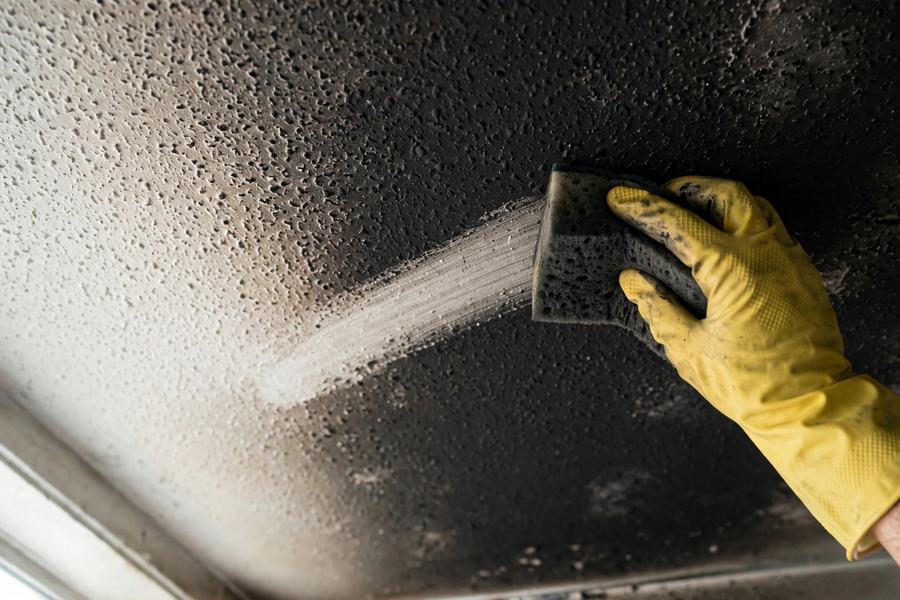
Smoke Damage Cleanup
Smoke Damage Cleanup in Englewood starts where the record points: homes here are mid century ranch stock, creek corridor split levels, and transit side apartments, and winter heating plant fires, shared hall smoke travel, and attached garage fires drive the call pattern. The scope for the Southern and Transit Sections side of the service area is written from that read, in that order.
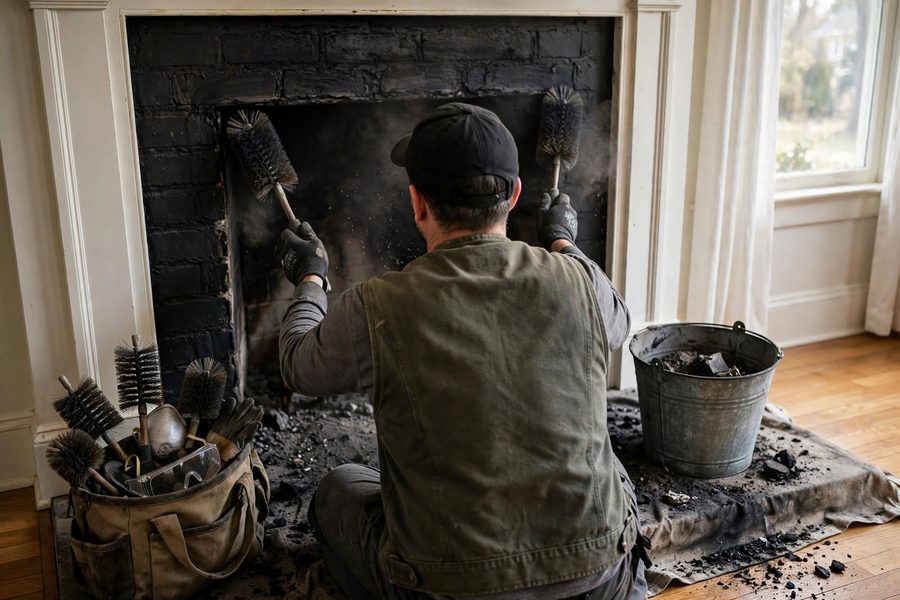
Soot Removal
The Englewood read on soot Removal runs through the local stock first: mid century ranch homes in the established central sections, split level homes along the creek corridors, apartment and condo stock near the transit stops, and newer homes toward the southern reservoir side. With cold dry winters, hot summers, and hail and wind storm seasons on the high plains edge, the order of work is set before price, and the written scope names that order.
Smoke Odor Removal
For Creek Corridor Sections homes, smoke Odor Removal is priced from the pattern this city keeps repeating: winter furnace runs in the mid century stock end in flue and plant fires, kitchen fires in the corridor apartments send smoke through shared halls, and garage fires in the split level sections carry soot into the living levels above. Little Dry Creek sets the conditions, and the scope names them in writing before work starts.
Fire Damage Restoration questions, answered
When is fire damage restoration an emergency?
The night of the fire, the only jobs are safety, clearance, and securing the home. If windows or doors are gone, board up cannot wait for morning: an open house takes rain damage and invites entry. Call once the fire department has released the property.
What affects the price of fire damage restoration in Englewood?
The main price factors for fire damage restoration are covered in the cost section above. The contractor confirms the exact price in a written estimate after seeing the job, and nothing is owed until you approve it. The call and the referral are free.
Does homeowners insurance cover fire damage restoration in Englewood?
Fire is a named peril in standard homeowners policies, so fire damage is generally covered, including smoke damage to rooms the flames never reached and the water damage from putting the fire out. The disputes are almost never about whether fire is covered; they are about scope and price. Keep the contractor's itemized written scope, the moisture and cleanup documentation, and photos, because those are what an adjuster reviews. Your deductible applies, and loss of use coverage, if you carry it, can pay for temporary housing while the home is uninhabitable.
How much does fire damage restoration cost?
Published national figures from Angi (2026) put most homeowners' fire restoration between about $3,100 and about $52,000, with an average near $27,500 and cleanup priced around $4 to $7 per square foot. A minor kitchen smoke cleanup can start under $1,000, while a structural fire runs far past the top of that range. What decides your number is how many rooms burned versus smoked, whether structure is damaged, and how much firefighting water has to come out. Anyone quoting a firm total by phone is guessing; the honest sequence is an in person assessment and a written scope.
What should I do first after a house fire in Englewood?
Safety first, always: do not re-enter until the fire department says the structure is safe. Then, in order: call your insurer to open the claim, arrange board up for any broken windows, doors, or roof damage so the home is secure that night, and do not wipe soot, wash walls, or run the heating and air system, because all three spread the damage. Photograph everything before anything is moved or thrown away, and keep receipts for any emergency spending.
Request a callback
Prefer to talk later? Leave your details and an independent local pro will call you back. No charge to you, no obligation.
Little Dry Creek Fire Restoration is a free referral service. Submitting this form connects you with independent local contractors who provide the work.